Sooner or later, a senior says it: "Chal, MKT chalte hain." Twenty minutes later you're crossing a footbridge over a busy road, and suddenly the lanes are narrow, there are prayer flags overhead, the shop signs have Tibetan script, and somebody is handing you a plate of laphing that you will think about for the rest of the week.
Majnu ka Tilla, or MKT as North Campus calls it, is the Tibetan colony a short ride from DU. It's where students go for cheap food, a change of scene and an afternoon that doesn't feel like Delhi. This guide covers how to get there from Kamla Nagar, what to eat, what to see, and how to visit respectfully.
The quick answer
Majnu ka Tilla is a Tibetan refugee settlement officially called New Aruna Nagar, in North Delhi near the Yamuna. The nearest metro station is Vidhan Sabha on the Yellow Line, one stop from Vishwavidyalaya; from there take an auto or e-rickshaw for the last stretch. Go for momos, laphing, thukpa and Tibetan bread, visit the monastery in the main square, and browse the small shops. Weekday afternoons are calmer than weekend evenings.
A little history before you go
The area takes its name from a gurdwara nearby. The Tibetan colony grew up from the 1960s as a settlement for Tibetan refugees, and over the decades it turned into a lively neighbourhood of homes, monasteries, cafés, guesthouses and shops.
It helps to remember that MKT isn't a theme park. It's where people live, pray and run their businesses. Students are welcome, and many shop owners have watched generations of DU batches come through, but it's worth visiting with the same respect you'd want in your own neighbourhood.
For many North Campus students, MKT becomes a small ritual: the place you take a friend visiting from home, the spot for a post-exam lunch, or where a society celebrates the end of a fest. Over three or four years, you'll probably find your own favourite stall and your own corner café, and that's the best way to get to know it.
Getting there from Kamla Nagar and North Campus
| Option | How | Good for |
|---|---|---|
| Metro + auto | Yellow Line from Vishwavidyalaya to Vidhan Sabha (one stop), then auto or e-rickshaw | Most trips, especially from campus |
| Auto or cab directly | From Kamla Nagar or the campus gates | Groups of 3–4 who can share the fare |
| Walk + auto | Walk to Vidhan Sabha metro area, then auto | Cool evenings when you don't mind walking |
The colony sits across the busy Outer Ring Road from the Vidhan Sabha side, so you'll usually take an auto and then cross by the pedestrian footbridge. Agree on the fare before you get in; shared autos and e-rickshaws run on the route too.
Coming back after dark, travel in a group and use the metro rather than wandering along the main road looking for an auto.
What to eat
Food is why most students go, and it's easy to eat well without spending much.
The dishes to try
- Laphing: cold, spicy mung-bean noodles, usually sold from small stalls. It's the dish MKT is famous for among students.
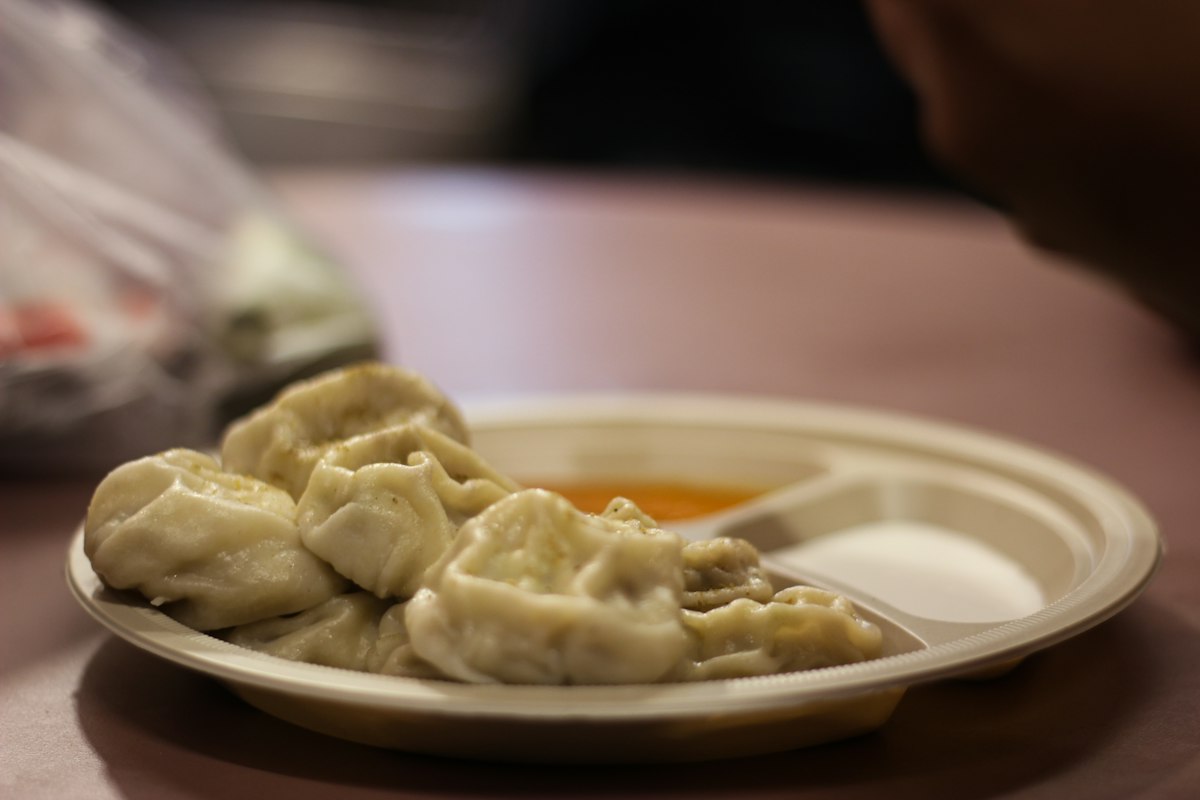
- Momos: steamed or fried, veg and non-veg. Try a place that makes them fresh and isn't just reheating a tray.
- Thukpa: a warm noodle soup, perfect in December.
- Thenthuk: hand-pulled noodle soup; heartier than thukpa.
- Tingmo: soft steamed bread, good with a curry or a stew.
- Butter tea: salty and buttery. You'll either love it or never order it again.
- Bakery items: several cafés do good cakes, cheesecakes and breads.
Prices are generally student-friendly, but they vary a lot between a street stall and a sit-down café, so check the menu before you order for the table.
Eating tips
- Try a monastery canteen or a small family kitchen at least once, not just the most Instagrammed café.
- Go for a late lunch on a weekday to avoid queues.
- Carry some cash; most places take UPI, but small stalls sometimes prefer cash.
- If you're not used to spicy food, ask for the laphing to go easy on the chilli.
What to see and do
- The monastery in the main square: quiet, colourful and peaceful. Walk clockwise around prayer wheels and keep your voice low.
- The main square itself: in the evenings, people gather, children play and the square has a relaxed, local feel.
- Small shops: prayer flags, incense, singing bowls, jewellery, winter wear, books and second-hand clothes. Good for small gifts.
- Bookshops and cafés: some cafés are calm enough to sit and read for an hour on a weekday afternoon.
- Travel planning: MKT has travel agents selling bus tickets to hill destinations, which is handy if you're planning a trip in the holidays. Compare and read reviews before you pay.
Visiting respectfully
- Ask before photographing people, especially monks and older residents.
- Dress modestly inside the monastery and take off shoes where asked.
- Don't touch religious objects or sit on platforms meant for prayer.
- Keep noise down in the residential lanes, especially at night.
- Don't litter; the lanes are narrow and get dirty quickly.
- Be patient in crowds. On weekend evenings the lanes are packed, and everyone is trying to move through the same narrow paths.
Who MKT is good for
- First-years who want a cheap outing with new friends that isn't another mall.
- Vegetarians: most places have plenty of veg momos, thukpa and noodles; just ask.
- People who like quiet: the monastery and weekday cafés are calm spots to read or talk.
- Visiting parents: a relaxed lunch here is a nice change from the usual restaurant, and easy to reach from campus.
- Anyone missing the hills: the food and the feel are the closest thing to a mountain town you'll find this near North Campus.
Best times to go
| When | What it's like |
|---|---|
| Weekday afternoon | Calm, easy to get a table, good for a long lunch |
| Weekday evening | Livelier, good for a walk and dinner |
| Weekend evening | Very crowded, queues at popular cafés |
| After exams | The classic post-exam outing for North Campus groups |
| Winter | Best season for thukpa, tingmo and hot drinks |
A good plan for a first visit: go on a weekday around 3 pm, eat a late lunch, visit the monastery, browse the shops, and head back before the evening rush.
A sample budget-friendly afternoon
- Metro from Vishwavidyalaya to Vidhan Sabha, then a shared auto.
- Laphing from a street stall as a starter.
- Momos and thukpa for lunch at a small family-run place.
- A quiet 20 minutes at the monastery.
- Browse the shops; maybe buy a small gift for a friend's birthday.
- Tea or a slice of cake at a café before heading back.
It's an easy way to spend a few hours without a big bill, which is why it stays a North Campus favourite year after year. For more ideas nearby, see our local guide to North Campus and places to eat street food in Delhi.
Combining MKT with other spots nearby
If you have a free day, you can turn an MKT trip into a longer North Delhi outing without going far.
- The Northern Ridge: the wooded stretch near North Campus is good for a walk before or after, especially on a clear winter morning. See our guide to parks near North Campus.
- Kamla Nagar market: for clothes, shoes and student essentials on the way back.
- Hudson Lane: if your group wants a café evening after MKT.
- Kashmere Gate and Old Delhi: a few metro stops south, if you want to add Chandni Chowk's food lanes on the same day.
Don't try to do all of it at once. Two places in one afternoon is plenty, especially in December when the days are short.
Shopping tips
- Winter wear: MKT shops sell jackets, woollens and caps, useful if you arrived in Delhi underprepared for January.
- Gifts: prayer flags, incense, small singing bowls and bracelets make easy birthday gifts on a budget.
- Bargaining: light, polite bargaining is common at street stalls. Don't haggle hard over small amounts, and don't bargain in fixed-price shops.
- Quality: check zips, seams and stitching on clothes before buying. Prices are low, and quality varies.
- Carry a cloth bag; the lanes are narrow and plastic bags tear easily.
A note on safety and timing
MKT is generally a friendly, busy place, but the usual city sense applies. Keep your phone and wallet in a front pocket in crowded lanes, travel back in a group after dark, and keep an eye on the time if your PG has entry timings. The last stretch back to the metro is along a busy road, so plan the auto ride rather than walking it late at night.
Common mistakes first-timers make
- Going only on Saturday evenings and deciding it's too crowded.
- Eating at the first café on the main lane instead of walking further in.
- Taking photos of monks without asking.
- Not fixing the auto fare first from the metro.
- Walking back along the main road at night alone.
The wrap-up
Majnu ka Tilla is one of the best things about studying in North Campus: close, affordable, and different enough from the rest of Delhi to feel like a short trip. Go on a weekday, eat something new, spend a quiet moment in the monastery, and visit like a guest. It's the kind of place you'll keep coming back to through all three or four years of college.
Living close to campus makes these small outings easy. Ashray Living's residences are in Kamla Nagar, with Vishwavidyalaya metro nearby; you can see them here.
FAQ
What is the nearest metro station to Majnu ka Tilla?
Vidhan Sabha on the Yellow Line is the nearest station. From there, take an auto or e-rickshaw for the last stretch, since the colony is across the busy Outer Ring Road.
How far is Majnu ka Tilla from North Campus?
It's close: one metro stop from Vishwavidyalaya to Vidhan Sabha, then a short auto ride. From Kamla Nagar, the whole trip usually takes around 20–30 minutes depending on traffic.
What is Majnu ka Tilla famous for?
It's Delhi's best-known Tibetan colony, famous among students for laphing, momos, thukpa, Tibetan bread, cafés and small shops, as well as its monastery.
What is the official name of Majnu ka Tilla?
The Tibetan settlement is officially called New Aruna Nagar. The name Majnu ka Tilla comes from a gurdwara in the area.
When is the best time to visit Majnu ka Tilla?
Weekday afternoons are calmest. Weekend evenings are lively but very crowded. Winter is the best season for hot dishes like thukpa.