
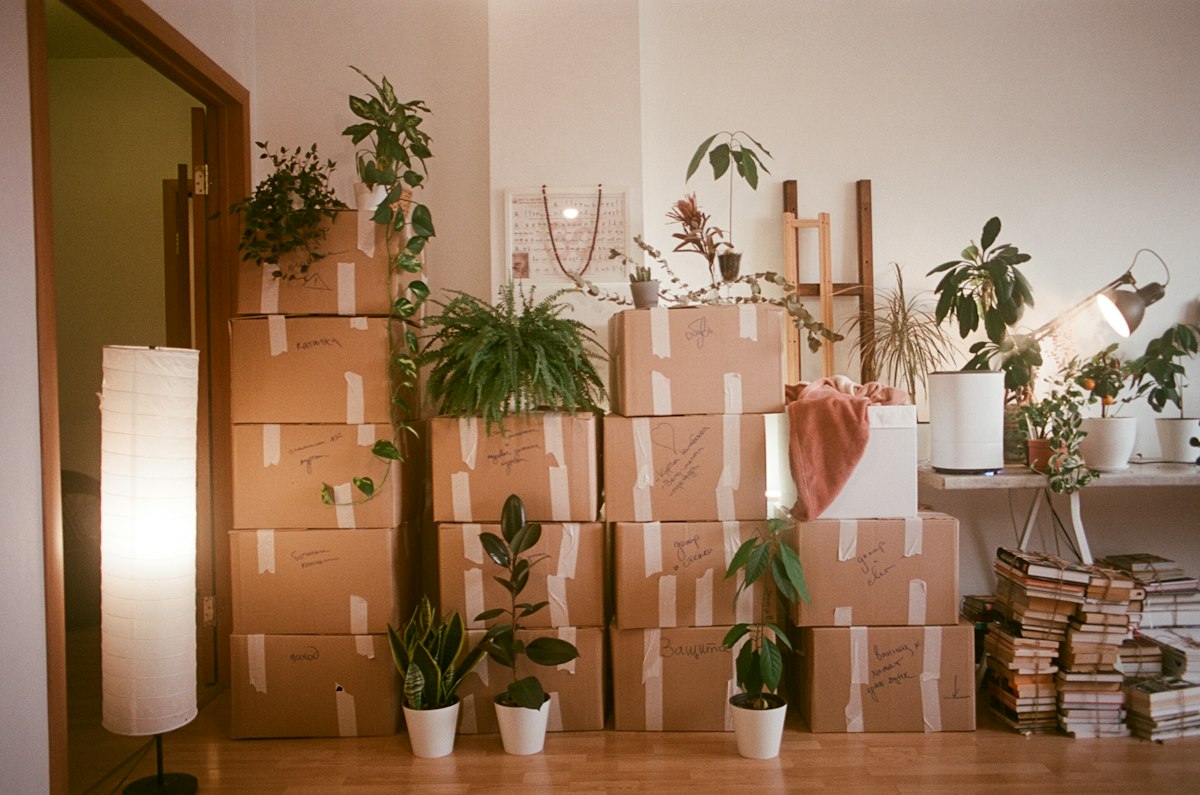
You're moving out at the end of your lease. The room is empty, your bags are in the auto, and the owner says he'll "transfer the deposit in a few days". Three weeks later you're sending polite WhatsApp messages from your hometown, and the replies are getting shorter. Somewhere in there is a deduction for "painting" you never heard about.
Getting your security deposit back from a PG is rarely about the law. It's about what you did on the day you moved in, the notice you gave, and the paper trail you kept. This guide walks through the whole process for students and young professionals renting PG rooms in Delhi.
The quick answer
Read your agreement for the deposit amount, notice period and lock-in before you plan a move. Give notice in writing on time, settle every due (rent, electricity, laundry), and do a joint room check with photos on move-out day. Ask for the refund amount, any deductions and the refund date in writing. Most disputes come from missing notice, unpaid dues, or no photos of the room's condition.
How security deposits work in Delhi PGs
A security deposit is money you pay upfront that the owner holds against unpaid rent, unpaid bills or damage beyond normal wear and tear. At the end of your stay, it should come back to you minus any of those dues.
You may have read that deposits are now capped at two months' rent. That comes from the Model Tenancy Act, 2021, a central model law that says a residential deposit shouldn't exceed two months' rent. But it's a model for states to adopt, and as of this writing Delhi has not adopted it. In practice, Delhi deposits are set by your agreement, and two to three months' rent is common for residential lets.
So the document that really decides your deposit is your agreement. Read it as if your refund depends on it, because it does.
Read these five clauses before you plan a move
| Clause | What to look for | Why it matters |
|---|---|---|
| Deposit amount | The exact figure and how it was paid | Keep the receipt or bank transfer record |
| Lock-in period | The minimum stay you agreed to | Leaving early can cost part or all of the deposit |
| Notice period | How many days' notice, and in what form | Missing it is the most common reason for deductions |
| Deductions | What can be deducted: damage, dues, cleaning, painting | Anything not listed is worth questioning |
| Refund timeline | When the refund is due after you vacate | Gives you a date to follow up against |
At Ashray Living, for example, stays run on an 11-month lease with an 11-month lock-in. Whatever PG you're in, knowing your own lock-in date is the first step in planning a move without losing money.
If something in the agreement is unclear, ask the owner or manager to explain it in writing now, not on your last day.
Giving notice the right way
Notice is where most students lose money, simply because they told the warden in passing and assumed that counted.
- Put it in writing. A WhatsApp message or email to the owner or manager, with your name, room number, date of notice and planned move-out date.
- Count the days properly. If the agreement says 30 days, count from the date of your message.
- Ask for an acknowledgement. A one-line "noted" reply is enough.
- Ask what they'll inspect and whether any cleaning or repainting charges apply, so there are no surprises later.
If you're leaving before your lock-in ends, talk to the owner early. Sometimes they'll agree to a smaller deduction if you help find a replacement resident, but get that agreement in writing.
The move-out room check
Your strongest protection is the condition of the room on the day you leave, recorded properly.
A simple move-out checklist
- Clear everything: shelves, wardrobe, under the bed, bathroom shelves.
- Remove tape, hooks and posters carefully; peeling paint is easy to blame on you.
- Wipe the desk, wardrobe and bathroom fittings.
- Return keys, access cards and any items issued to you (mattress protector, kettle, remote).
- Take a clear video of the whole room, turning on lights, AC and taps to show they work.
- Ask the manager to check the room with you and note anything they're unhappy about.
If you took photos on move-in day, compare them now. A crack that was there when you arrived shouldn't be on your bill.
Clearing your dues
Deposits are often held back because of small unpaid amounts nobody remembered.
| Due | What to do |
|---|---|
| Last month's rent | Pay it unless your agreement clearly says it can be adjusted from the deposit |
| Electricity | Ask for the final meter reading and bill if electricity is charged on actual usage |
| Laundry, food extras, guest meals | Ask if anything is pending |
| Damages you agree with | Settle them openly rather than argue later |
Pay by bank transfer or UPI so there's a record, and save the screenshots.
Asking for the refund in writing
On move-out day, send one clear message. Something like this works:
Hi, I've vacated room 12 today (22 Nov). Keys returned to the manager. As discussed, my deposit is ₹X. Please confirm the refund amount, any deductions with reasons, and the date it'll be transferred to my account [bank details / UPI ID].
Then wait for the date they give. If there's no timeline in the agreement, a reasonable gap is a few weeks.
If the refund doesn't come
Most delays resolve with polite, steady follow-up. Escalate slowly.
- Follow up in writing a day after the promised date. Keep it short and factual.
- Call and ask for a specific date, then confirm that date in a message.
- Ask a parent to speak to the owner if you're a student. It often moves things faster.
- Send a formal written request by email listing the deposit, dates, your notice and your dues receipts.
- Get advice from a lawyer or a legal aid service if a large amount is held back without reason. A formal legal notice is a serious step, so take advice before sending one.
Our guides on legal rights of PG tenants and PG rental agreement tips go into more detail.
A worked example
Here's how a typical move-out plays out when it's done properly. Riya pays a deposit when she moves into a PG in Kamla Nagar on an 11-month agreement with a 30-day notice period. In the ninth month she decides to move to a flat with friends next session.
- She checks her agreement and sees her lock-in ends with the lease, so she plans to leave at the end of the eleventh month, not earlier.
- Thirty-five days before that, she sends the manager a WhatsApp message with her room number and move-out date, and gets "noted" back.
- In the last week she asks for the final electricity reading, pays it by UPI, and returns her access card.
- On the last day, she and the manager walk through the room. A cracked bathroom tile was in her move-in video, so it isn't charged. A lost key is: she agrees to the cost of a new one.
- She sends a message with the agreed refund amount and her UPI ID, and the money arrives on the date they agreed.
Nothing dramatic happened, which is the point. Every step left a record, so there was nothing to argue about.
PG, flat or hostel: how deposits differ
| Type | Typical deposit practice | Watch out for |
|---|---|---|
| PG | Set by the PG's agreement | Lock-in clauses and notice periods |
| Rented flat | Often two to three months' rent in Delhi; set by the lease | Painting and cleaning deductions, broker terms |
| College hostel | A refundable caution deposit set by the college | Clearance forms you must complete before leaving |
Whichever you choose, the same rules apply: read the terms, keep records, and give notice in writing.
Common mistakes that cost deposits
- Verbal notice only. "I told bhaiya last month" doesn't hold up.
- No move-in photos. You can't prove the stain was already there.
- Leaving in the middle of the lock-in without reading what that costs.
- Paying the deposit in cash without a receipt.
- Leaving the city first and asking for the refund later. It's much harder to sort out from 800 km away.
- Getting angry on the last day. A calm, written request gets more results than a heated argument at the gate.
For parents paying the deposit
If you're a parent who paid the deposit, keep the payment record in your own files too, and make sure the agreement shows who paid and to whom the refund should go. Students often change phone numbers or bank accounts during college, and a refund sent to a closed account is a headache nobody needs. A quick call to the PG manager a month before your child moves out, to confirm the process, saves a lot of back-and-forth later.
What to do on move-in day next time
The best deposit protection starts when you arrive, not when you leave.
- Read and keep a copy of the agreement.
- Pay the deposit by bank transfer or UPI and keep the record.
- Take a dated video of the room, including walls, furniture, bathroom and AC.
- Report existing damage to the manager in writing within the first week.
- Note your lock-in end date and notice period in your phone's calendar.
It takes 20 minutes and saves weeks of follow-up later. Our checklist of things to check before shifting to a PG covers the rest of move-in day.
The wrap-up
Getting your deposit back is mostly preparation: know your agreement, give notice in writing, clear your dues, record the room's condition and ask for the refund clearly. Do those five things and most refunds arrive without a fight. If one doesn't, a calm paper trail is what gives you options.
FAQ
Is the PG security deposit capped at two months' rent in Delhi?
The Model Tenancy Act, 2021 caps residential deposits at two months' rent, but it applies only in states that adopt it, and Delhi has not adopted it as of this writing. In Delhi, the amount is set by your agreement.
How long does a PG owner take to refund the deposit?
It depends on your agreement. If it gives a timeline, that's the date to work with. If not, ask for a specific refund date in writing on move-out day and follow up politely after it.
Can a PG deduct painting or cleaning charges?
Only if the agreement allows it or you agreed to it. Normal wear and tear is different from damage. Ask for any deductions in writing with reasons.
Will I lose my deposit if I leave before the lock-in ends?
Often part or all of it, depending on the agreement. Read the lock-in clause and speak to the owner early; some agree to a smaller deduction, but get any such arrangement in writing.
What proof should I keep for my deposit?
Keep the signed agreement, the deposit payment record, your written notice, dues payment screenshots, and move-in and move-out photos or videos of the room.